Effective pain management delivered to your door. Genuine medications, no prescription required.
At Best Benzo we supply a range of prescription-strength pain relief medications used across the UK for everything from mild headaches to chronic neuropathic pain. All products are sourced from verified pharmaceutical manufacturers and delivered discreetly within 24–48 hours.


Different pain medicines work in different ways. The appropriate treatment depends on the type and severity of pain, your medical history and other medicines you use.
| Medication | Pain Type | Relative Strength | Common Clinical Use |
|---|---|---|---|
| Co-Codamol 30/500mg | Mild–moderate pain | ★★ | May be prescribed for pain that is not adequately controlled with simpler painkillers alone. |
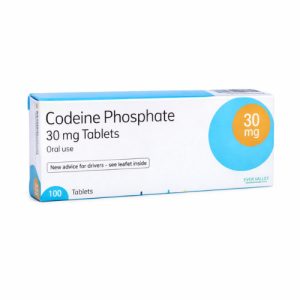
| Codeine Phosphate 30mg | Mild–moderate pain | ★★ | May be used for certain types of short-term moderate pain when clinically appropriate. |
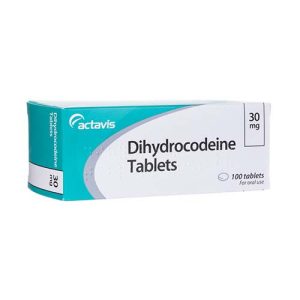
| Dihydrocodeine 30mg | Moderate pain | ★★★ | May be prescribed for moderate pain where other pain relief has not been sufficient. |
| Pregabalin 300mg | Neuropathic / nerve pain | ★★★ | Used for certain neuropathic pain conditions such as pain caused by damaged or overactive nerves. |
| Tapentadol 100mg | Moderate–severe pain | ★★★ | May be prescribed for significant pain when a clinician considers opioid treatment appropriate. |
Important considerations when using prescription pain medication.
Find clear answers to common questions about pain medication, safe use and delivery services.
Prescription and controlled-drug requirements apply to medicines such as codeine, dihydrocodeine, pregabalin and tapentadol. They should only be supplied and used in accordance with applicable regulations and appropriate clinical advice.
Co-Codamol combines two active ingredients: codeine and paracetamol. Codeine phosphate products contain codeine as the active pain-relieving ingredient. Because Co-Codamol already contains paracetamol, care is needed to avoid taking additional paracetamol from other products.
Pregabalin is used for neuropathic pain and may also be prescribed for generalised anxiety disorder in appropriate patients. Whether it is suitable depends on individual medical history, other medicines and assessment by a qualified healthcare professional.
Some pain medicines can be used together, while other combinations can be dangerous. Always check active ingredients and obtain professional advice before combining prescription pain medicines, particularly opioids or other sedating medicines.
Yes. Medicines such as codeine, dihydrocodeine and tapentadol can cause sleepiness, dizziness and reduced concentration. Do not drive or operate machinery if the medicine affects your ability to do so safely.
Yes. Regular opioid use can lead to tolerance and physical dependence. Long-term treatment should be regularly reviewed, and opioids should not be stopped suddenly after prolonged use without appropriate medical advice.
Delivery times depend on order processing, destination and the selected shipping service. Current dispatch and delivery estimates should be shown during checkout before an order is completed.